
Pre-Completion Inspection (PCI): What It Is & Your Rights Under the New Homes Quality Code

Updated: Aug 3

What is a PCI? Your Rights Under the New Homes Quality Code
For many years, buyers of new build homes had limited opportunity to independently inspect their property before legal completion.
The introduction of the New Homes Quality Code in 2022 and the New Homes Ombudsman Scheme changed this, bringing greater transparency and stronger consumer protection to the new-build purchase process. Under the code, developers registered with the scheme must allow buyers the opportunity to arrange an independent Pre-Completion Inspection (PCI) carried out by a suitably qualified professional.
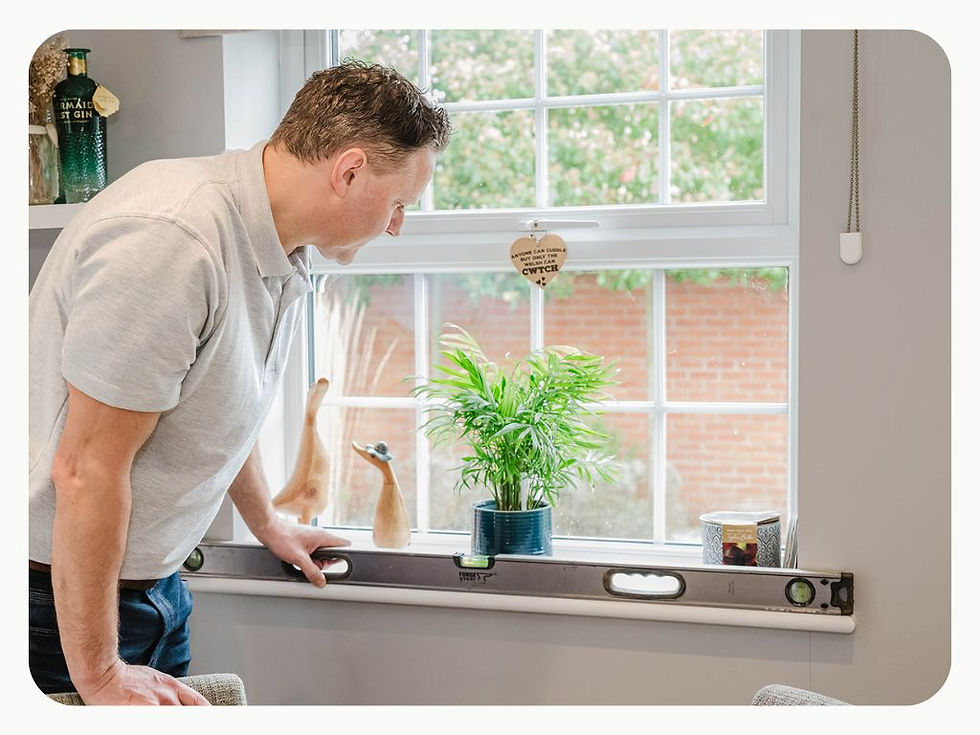
A PCI is an inspection of your new build home that takes place shortly before legal completion, when the property is nearing handover but you have not yet received the keys.
The inspection follows the official Pre-Completion Inspection checklist produced by the New Homes Quality Board (NHQB) and focuses on identifying visible defects, unfinished work, or workmanship issues before the purchase is finalised.
The purpose of a PCI is to provide an independent snapshot of the property’s condition at the point of handover, allowing issues to be raised with the developer so they can be addressed before you move in.
Ultimately, the introduction of PCIs aims to improve build quality across the industry, give homeowners greater clarity about the condition of their new home before completion, and create greater accountability and transparency between developer and buyer.
How a PCI Helps You
Buying a brand new home should mean moving into a property finished to a high standard. However, even well-built homes can have snags, cosmetic defects, or incomplete works towards the end of construction.
A PCI helps you:
Identify defects early Issues such as poor finishes, damaged fixtures or incomplete works can be raised before completion.
Reduce disruption after moving in Fixing issues before you receive the keys means fewer trades returning once you have moved in.
Hold the developer accountable The inspection creates a clear record of issues to be addressed by the builder.
Move in with greater confidence You receive a structured report summarising the condition of the home prior to handover. Ultimately, it provides peace of mind at a crucial stage of the purchase process.
What's Included in a PCI Inspection?
A PCI must follow the official NHQB checklist, which focuses primarily on visible workmanship and finishing standards. The inspection is carried out room-by-room and externally, assessing the accessible areas of the property.
Elements reviewed include:
External elements
✔️ Brickwork, render and external finishes
✔️ Roof coverings (viewed from ground level)
✔️ Gutters and downpipes
✔️ External doors and windows
✔️ External vents and drainage
✔️ Driveways, paths and external surfaces
✔️ Garages (where applicable)
Internal areas
✔️ Walls, ceilings and decoration finishes
✔️ Doors, frames and ironmongery
✔️ Flooring finishes and levels
✔️ Kitchen installation and fittings
✔️ Bathroom sanitaryware and tiling
✔️ Joinery, skirting boards and architraves
Fixtures, fittings and services
✔️ Windows and glazing
✔️ Heating system installation
✔️ Electrical fittings such as sockets and switches
✔️ Extractor fans and ventilation points
✔️ Smoke and heat alarms
✅ All findings are recorded in a structured PCI report with photographic evidence, which can then be provided to your developer so that items can be addressed prior to completion.
When Should You Book a PCI?
Ideally, the inspection should take place around 7–14 days before completion, allowing time for any issues identified to be addressed before you move in.
Can I carry out my own PCI?
You can attend your Pre-Completion Inspection yourself, but the New Homes Quality Code advises that any independent inspection should be carried out by a suitably qualified and competent professional.
The New Homes Quality Board (NHQB) guidance sets out that the inspector should be a member of a recognised professional body experienced in residential surveying and should also hold appropriate Professional Indemnity Insurance and carry out the inspection using the official NHQB PCI checklist.
As members of the RPSA (Residential Property Surveyors Association), we understand how new homes are built and where issues commonly arise as properties approach completion. Our inspections are carried out methodically using the NHQB checklist, ensuring defects and unfinished work are clearly identified and documented.
Do all developers allow a PCI?
Most major house builders now allow Pre-Completion Inspections as part of the New Homes Quality Code, although the developer controls when the inspection takes place. The property must be sufficiently complete and safe to inspect. If you are unsure whether your developer allows a PCI, we can advise you on how to request one.
Will a PCI delay completion?
No. A PCI does not normally delay completion. It is designed to highlight defects so they can be addressed quickly before handover. In most cases, developers will rectify minor items either before completion or shortly after.
Common Issues Found During Pre-Completion Inspections
It is common for minor defects or incomplete works to be present as construction nears completion. A Pre-Completion Inspection helps identify these issues before handover so they can be addressed by the developer.
Typical snags found during PCI inspections include:
➡️ Poor or incomplete decoration finishes
➡️ Scratched glazing or damaged window frames
➡️ Doors that do not close or latch correctly
➡️ Uneven flooring or poorly fitted skirting boards
➡️ Silicone sealing missing or poorly applied in bathrooms and kitchens
➡️ Incomplete or damaged brickwork or render
➡️ Loose fixtures or fittings
➡️ External drainage covers or vents incorrectly installed
➡️ Gutters or downpipes not properly connected
➡️ Incomplete external works such as paving or driveways
All findings are recorded in a structured report with photographic evidence, which can then be provided to your developer so that items can be addressed prior to completion.
PCI vs Snagging Survey – What’s the Difference?
Feature | Pre-Completion Inspection (PCI) | Snagging Survey |
When it takes place | Before legal completion | After completion and key handover |
Inspection standard | NHQB PCI checklist | Comprehensive independent survey |
Purpose | Identify visible defects before handover | Identify cosmetic and underlying defects |
Access to property | Limited – property still controlled by developer | Full access as homeowner |
Inspection depth | Visual inspection of finishes | Detailed inspection of the home |
Specialist testing | Not included | Includes thermal imaging, ventilation testing and further investigations |
Roof / loft access | Normally not permitted | Often accessible |
Reporting | Structured PCI checklist report | Full snagging report with detailed findings |
Important Limitations of a PCI
Because the inspection must follow the NHQB checklist, there are strict limitations on what can be assessed. A PCI is primarily a visual inspection of finishes and visible workmanship. It does not include specialist investigations or intrusive testing.
For example, the inspection cannot include: Thermal imaging surveys, moisture testing or damp investigations, detailed building regulation compliance assessments, structural investigations or access to roof voids or high-level areas.
For this reason, many homeowners choose to have a more detailed New-Build Snagging Survey after completion, which allows a much more detailed inspection using specialist equipment and diagnostic tools.
What happens after the PCI inspection?
Following the inspection, you will receive a clear report listing any issues identified, supported by photographs where appropriate. This report can then be shared with your developer so the items can be addressed prior to completion or logged for rectification after handover.
Two-year Aftercare Service
Your PCI is just the beginning. With two years of aftercare support, you'll have expert advice, guidance and a trusted professional in your corner whenever you need us.
Book a Pre-Completion Inspection today!

Comments